Understanding Person-Centred Care in Modern Healthcare
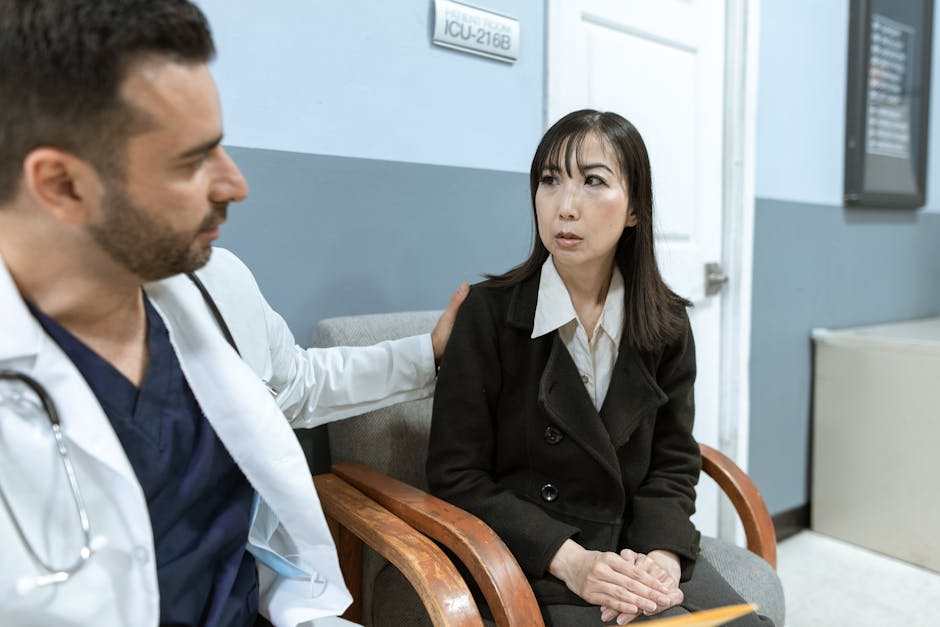
Person-centred care has become a cornerstone of modern healthcare delivery across the UK. Rather than treating patients as passive recipients of medical interventions, this approach recognises individuals as active participants in their own care journey.
At its core, person-centred care means understanding each person's unique values, preferences, and circumstances. Healthcare professionals working within this model take time to listen to what matters most to their patients, not just focusing on symptoms or diagnoses.
Key principles of person-centred care include:
- Respecting individual autonomy and dignity
- Involving patients in decision-making about their treatment
- Considering the whole person, not just their condition
- Building trusting relationships between care providers and patients
- Tailoring care to individual needs and preferences
This approach has proven benefits for both patients and healthcare systems. Patients report greater satisfaction, better understanding of their conditions, and improved health outcomes. Healthcare providers find that person-centred care leads to more efficient treatment pathways and reduced unnecessary interventions.
In practice, person-centred care might mean a GP spending extra time understanding a patient's work situation before prescribing treatment, or a care home adapting routines to match residents' lifelong habits and preferences. It recognises that everyone's needs are different, and one-size-fits-all approaches rarely work effectively.
The NHS has increasingly emphasised person-centred care in its strategic direction, recognising that engaged patients with a clear understanding of their care make better health choices and experience better outcomes. For care providers, implementing person-centred approaches requires training, time, and a genuine commitment to listening.
If you're receiving care from any UK healthcare provider, you have the right to expect a person-centred approach. This means your voice should be heard, your preferences respected, and your individual circumstances considered in every decision about your care.